Spills, Stains, and Odors: The Professional Secret to Deep Cleaning Your Car's Interior
Learn how to remove stains from car seats and get smoke smell out of your car. Honest DIY spill triage tips plus why pro hot-water extraction and steam win.
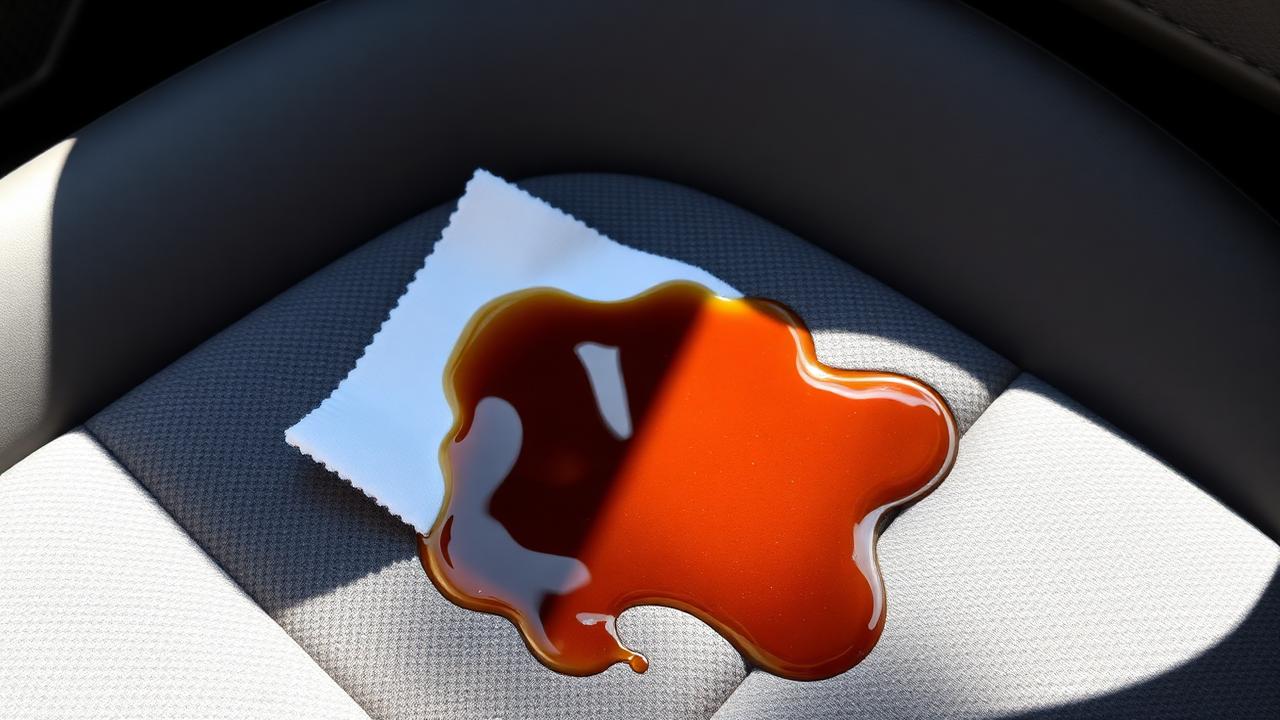
A spilled coffee on the morning commute. A melted crayon ground into the back seat. A muddy paw print after a rainy hike. Life happens inside your car, and when it does, the clock starts ticking. The good news is that most spills and stains are recoverable if you act fast and act correctly. The bad news? The wrong DIY move can push the problem deeper, set the stain permanently, or trap moisture that turns into mold and a musty smell you can never quite shake.
In this guide, we will walk you through exactly how to remove stains from car seats and how to get smoke smell out of your car using honest, professional-grade advice. We will also explain why some jobs are simply better left to the pros, and what professional hot-water extraction does that a retail spray can never will.
Step 1: Immediate Spill Triage (Blot, Do Not Scrub)
The single most important rule of stain removal is this: blot, never scrub. Scrubbing feels productive, but it does the opposite of what you want. It drives the liquid deeper into the fibers and the foam cushion beneath, spreads the stain outward, and frays the fabric so it pills and looks worn.
Here is the correct immediate response to a fresh spill:
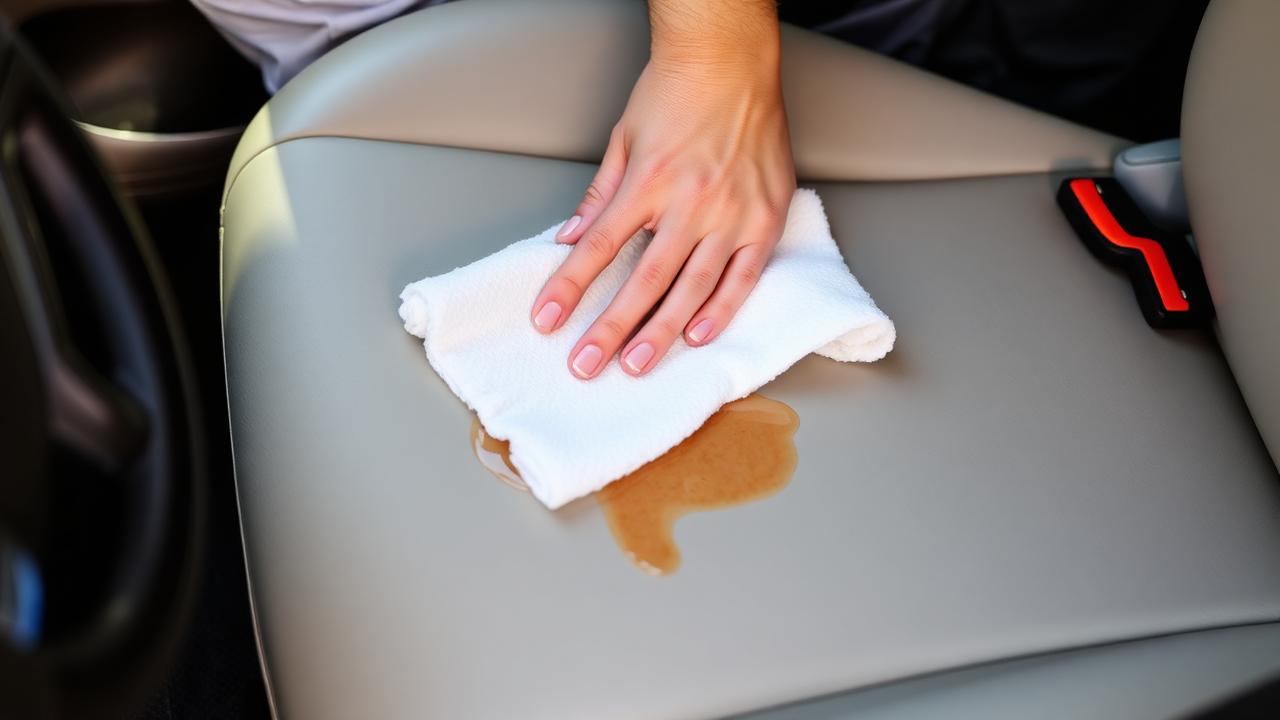
- Grab a clean, dry microfiber towel. Paper towels disintegrate and leave lint; a microfiber cloth absorbs far more liquid.
- Press straight down and lift. Apply firm, even pressure to soak up the liquid, then lift the cloth away. Repeat with a clean section of the towel each time until no more liquid transfers.
- Work from the outside in. Start at the edge of the spill and move toward the center to stop it from spreading.
- Lift solids first. For food, mud, or pet messes, gently scoop up the chunky material with a spoon or plastic card before you touch the liquid underneath.
If you can get to a spill within the first few minutes, blotting alone will remove a surprising amount of it before any stain has the chance to set.
Step 2: Treating the Stain by Type
Once you have blotted up the excess, a light treatment can lift what remains. The trick is to use very little moisture and to blot again immediately afterward.
- Coffee, tea, and soda: Mix a few drops of dish soap into a cup of warm water. Dampen a cloth, dab the stain, then blot dry. Avoid hot water on protein or dairy-based drinks, as heat can set them.
- Kids snacks and grease: A small amount of mild degreaser helps, but use it sparingly. Grease loves to spread.
- Pet accidents: Blot first, then use an enzyme-based cleaner designed to break down organic matter and neutralize odor at the source rather than masking it.
- Mud and dirt: Let it dry completely, vacuum the loose debris, then treat any remaining mark with soapy water and a cloth.
After any treatment, blot the area dry and let the seat air out with the windows down or doors open. Moisture left behind is the number-one cause of recurring stains and smell.
The Hard Truth About Retail Spray Cans and Rental Shampooers
Walk down any auto aisle and you will find shelves of foaming upholstery cleaners promising miracle results. They have their place for tiny surface marks, but they come with serious limitations that most people only discover after the stain comes back.
They only treat the surface. A spray can lifts what sits on top of the fabric. It does nothing for the grime, oils, and bacteria that have soaked down into the cushion. That is why a stain you thought you removed often reappears days later, wicking back up to the surface as the foam dries.
DIY shampooing pushes dirt deeper. Rental carpet shampooers and aggressive scrubbing are the most common cause of long-term car seat problems. They saturate the upholstery with far more water than the machine can pull back out. That water carries loosened dirt down into the foam padding, where it sits, feeds bacteria, and creates the perfect environment for mold and mildew.
Trapped moisture equals odor. Car seat foam is thick and slow to dry, especially with the doors closed in cooler weather. A soaked cushion can take days to dry, and during that time it develops a sour, musty smell. This is exactly the smell people then search the internet trying to remove, never realizing their last cleaning attempt caused it.
How to Get Smoke Smell Out of Your Car
Smoke odor is one of the most stubborn smells because it is not just sitting on the surface. Smoke particles penetrate every porous material in the cabin: the seats, carpet, headliner, and the air vents. Spraying air freshener only masks it for a few hours.
For light cases, you can try airing the car out thoroughly, cleaning every hard surface, and placing bowls of baking soda or activated charcoal inside overnight to absorb odor. Replace your cabin air filter, as it traps and recirculates smoky air.
But here is the honest truth: deeply embedded smoke smell, like heavy pet odor, usually cannot be fully removed with consumer products. The smell lives inside the foam and the ventilation system, places a spray bottle simply cannot reach. That is where professional sanitization makes the difference.
The Pro Advantage: Hot-Water Extraction and Steam Sanitization
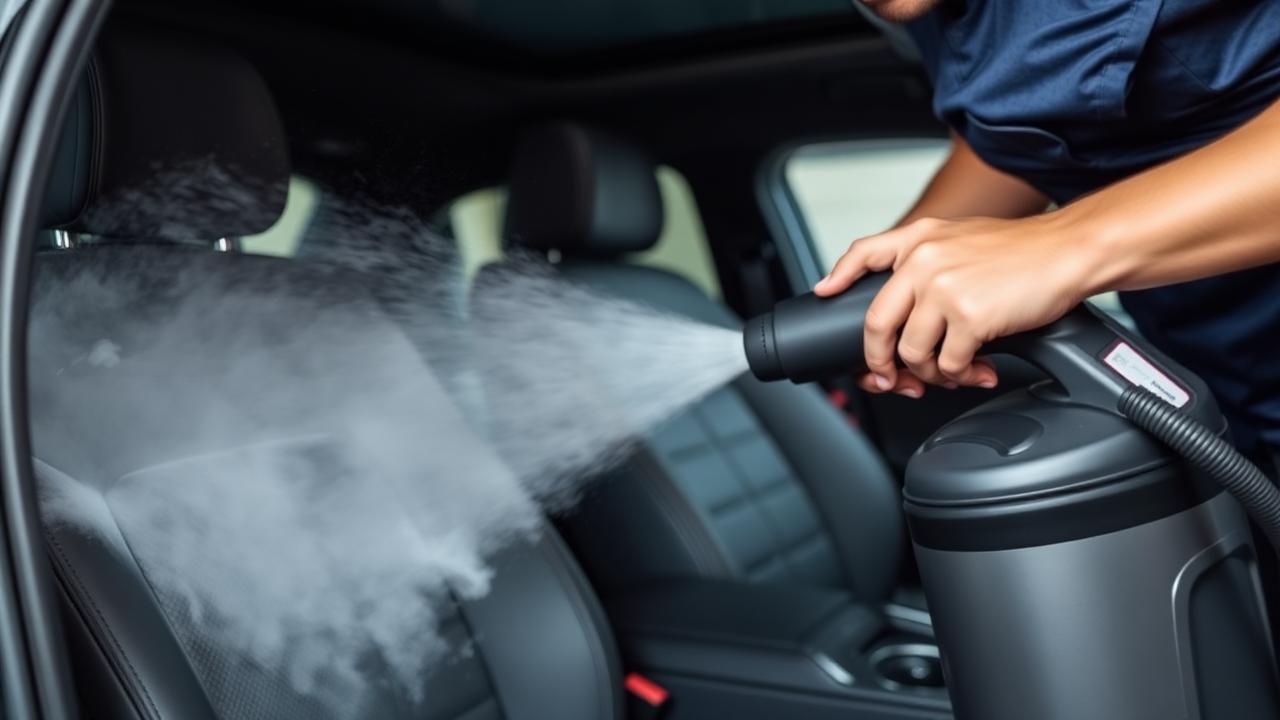
Professional interior detailing solves the exact problems DIY methods create. Instead of soaking the seat and hoping it dries, the pros use hot-water extraction combined with commercial steam.
Hot-water extraction dissolves grease and lifts dirt out. The machine injects a controlled spray of heated cleaning solution deep into the fibers, then immediately vacuums it back out with powerful suction in the same pass. Crucially, it pulls the dirty water and dissolved grime out of the foam rather than leaving it behind. The seat ends up dramatically cleaner and only lightly damp, not drenched.
Commercial steam sanitizes at around 200°F. Steam reaching roughly 200 degrees Fahrenheit dissolves stubborn grease and oils while killing bacteria, dust mites, and the microorganisms responsible for odor. Because steam cleans with vapor rather than flooding the cushion, it sanitizes deeply without saturating the foam, which means no trapped moisture and no mold risk.
Odor is eliminated at the source. Between deep extraction, high-heat steam, and professional enzyme and ozone treatments, lingering smoke and pet smells are neutralized where they live, not just covered up. The result is an interior that is genuinely clean, sanitized, and fresh, with seats that dry quickly and stay that way.
When to DIY and When to Call a Professional
For a fresh, small spill, immediate blotting and a gentle spot treatment are absolutely worth doing, and doing well. Quick action on your part can save a stain entirely.
But for set-in stains, large or repeated spills, heavy pet messes, smoke odor, or any interior that has not been deep cleaned in a long time, professional hot-water extraction and steam sanitization will deliver results you simply cannot achieve at home, without the risk of mold and moisture damage.
At Shiny, our mobile detailing team comes to your driveway with commercial-grade extraction and steam equipment, deep cleaning and sanitizing your seats, carpets, and cabin so your car looks, smells, and feels brand new. Stop fighting the same stain over and over. Let the pros handle it the right way the first time.
Frequently Asked Questions
Ready for a Shiny Clean Car?
Book your mobile car wash or detailing service today. We come to you!