
Interior Car Detailing for Vancouver Rain: Wet Floors, Foggy Glass and Mildew
A rainy-season guide to interior car detailing in Vancouver: why carpets stay wet, why glass fogs, how to tell a damp smell from mildew, and which Shiny interior package fits, from a light interior to the Mold Removal Package.
By the third week of November, most cars in Vancouver have the same smell. It isn't dirt exactly. It's wet wool, old coffee and something faintly sour coming up from the footwells. You notice it on the first cold morning when the windshield fogs before you've left the parkade, and again when you lift a floor mat and find the carpet underneath is still dark with water from last Tuesday.
The outside of the car gets most of the attention in the rainy season. The inside is where the damage quietly builds. This guide walks through why Vancouver interiors struggle from November to March, what a proper interior detail actually fixes, and how to tell when you need more than a shampoo.
Why does my car interior stay damp all winter in Vancouver?
Because water comes in faster than it can leave. Every trip brings in rain on shoes, coats, umbrellas and dogs, and the cabin rarely gets warm and dry enough for long enough to drive it out. Carpet padding holds that moisture for days, and the air inside stays humid.
Think about a normal week. You walk to the car from a Commercial Drive café in steady drizzle, drop a soaked umbrella in the back footwell, and drive twenty minutes. The heater runs, the windows clear, and you park. Overnight the temperature drops, the moisture you brought in settles back into the carpet and the headliner, and the next morning you start again. Pull up any November week on Environment Canada's forecast and the pattern is obvious: rain, showers, more rain, and maybe one bright afternoon where nothing has time to dry.
Some cars have it worse than others:
- Parkade cars. A car that lives three levels down under a Yaletown or Coal Harbour tower never gets sun on the roof. Damp air stays trapped inside.
- Commuters crossing bridges. If you're on the Lions Gate or Ironworkers Memorial twice a day, wet shoes come in and out of the cabin constantly, and short trips don't give the heater time to dry anything.
- Family and dog cars. Soccer cleats from a muddy Saturday at a Kerrisdale field and a wet dog from Spanish Banks will add more water to the carpet than rain alone ever does.
- Cars with a slow leak. A blocked sunroof drain, a tired door seal or a clogged cowl drain can send water into a footwell without much warning. If one side of the car is always wetter than the other, suspect a leak.
What causes the musty smell inside a car?
Usually it's moisture trapped in carpet padding, floor mats and fabric seats, combined with the organic grime that rain carries in: mud, leaves, food crumbs, pet hair. Left damp for weeks, that mix starts to smell. In more serious cases, mildew or mould begins to grow.
The difference matters. A damp smell that fades once the car is dried and cleaned is a normal rainy-season problem. A smell that comes back quickly, or any visible spotting on the carpet, seat fabric, seat belts or under the mats, suggests something has been wet for too long. Don't just cover it with an air freshener. Perfume on top of a damp carpet tends to make the cabin smell worse, not better.
If you have a stubborn spot or a spill that's soaked in, our guide on removing stains and odours from car seats explains what usually works and what to leave to a professional.

Why do my car windows fog up so much in the rain?
Fog forms when warm, moist air inside the car hits cold glass. In a Vancouver winter the cabin is full of moisture from wet carpets and clothing, and the glass is cold. Add a film of grime on the inside of the windshield, and the moisture has more to cling to.
Most drivers don't realize how dirty the inside of their glass gets. Vinyl and plastics release a hazy film over time, and every hand on the dash or breath on a cold window adds to it. You'll see it clearly when the low winter sun comes across the windshield heading west on Broadway late in the afternoon: a grey smear that makes glare much worse.
Cleaning the interior glass properly and getting the moisture out of the cabin are two of the most useful things an interior detail does for winter driving. It isn't cosmetic. A windshield that clears quickly is a safety issue when you're merging onto Highway 1 in the dark.
What does an interior detail actually fix in a wet car?
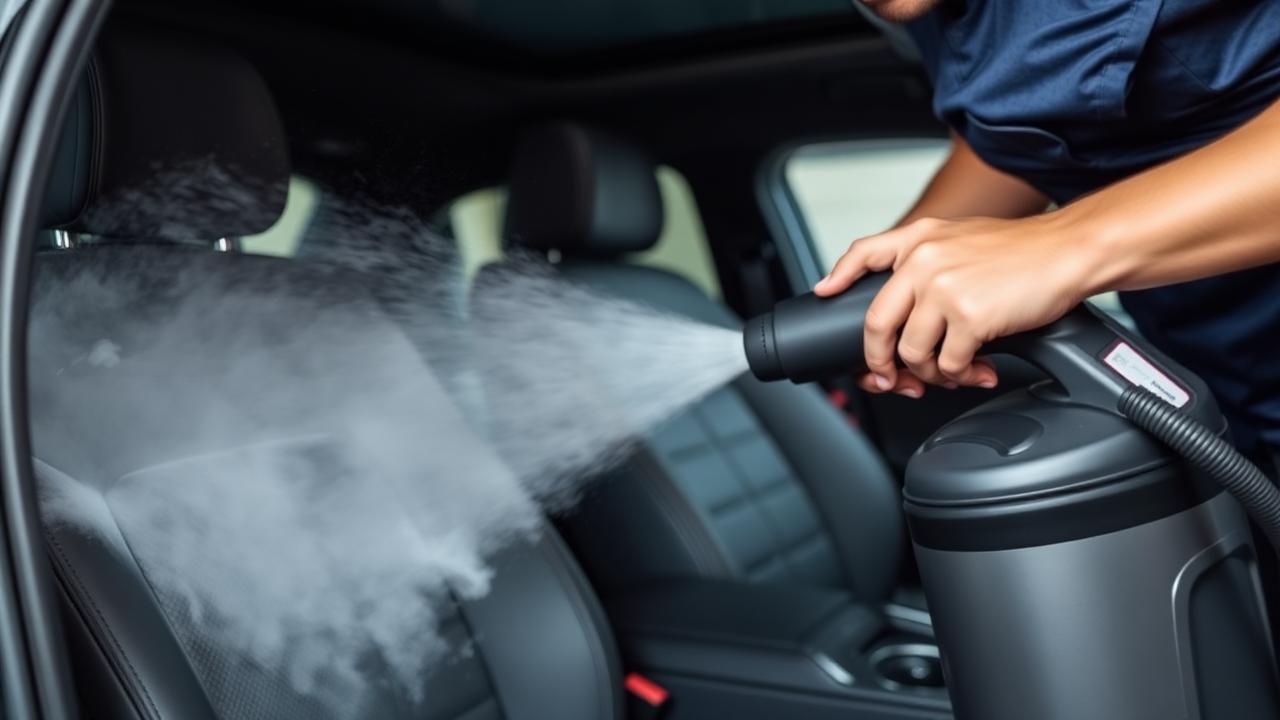
A full interior detail removes the grime that holds moisture and odour, cleans the surfaces that fog and smear, and refreshes carpets and upholstery. At Shiny, the Full Interior package includes deep vacuuming, steam work on seats and headliner, carpet shampoo, mat cleaning, interior glass, and trim and seat conditioning.
For a rainy-season car, the steps that matter most are:
- Deep vacuuming under and between the seats, where grit and leaf litter collect and stay damp.
- Carpet shampoo and mat cleaning, which lift the mud and salt residue that rain and boots grind into the fibres.
- Steam work on seats, steering wheel, vents and cup holders, the places hands touch and spills land.
- Interior glass and mirror cleaning, to cut the film that makes fog stick.
- Door jambs and pedals, where wet road grime gathers every time a door opens.
You can see the full list in our breakdown of what's included in a full interior car detail. Two things aren't in the base Full Interior package: pet-hair removal and fabric-seat shampoo. Both are separate options in the booking flow. If your car carries a wet dog to the Fraser River or Ambleside every weekend, read our guide to professional pet-hair removal before you choose.
When do you need the Mold Removal Package instead?
When you can see mould, or a musty smell keeps returning after a normal clean. That's a deeper job than a standard shampoo, and Shiny lists it separately as the Mold Removal Package. Fix the water source first, or the problem will return.
Be honest with yourself about the cause. If the passenger footwell is soaked after every storm, no detail will solve that on its own. Get the leak looked at by a mechanic or body shop, then have the interior cleaned. Mention any leak history, visible spotting and the areas affected when you book, so the team arrives ready for the right work.
How much does interior detailing cost in Vancouver?
At Shiny, prices depend on vehicle type. For a sedan or hatchback, the pricing page currently lists Light Interior Detailing at $159.99, Full Interior Detailing at $199.99 and the Shampoo Package at $145.00, all before 5% GST. Add-ons cost extra.
Bigger vehicles take longer and cost more. For an SUV, Full Interior Detailing is listed at $249.99. The Mold Removal Package ranges by vehicle, from $350.00 for a crossover to $595.00 for a seven-seat SUV or a minivan. Prices change, so check the current list for your exact vehicle before you book.
If you'd like the outside done in the same visit, an interior-and-exterior package is usually the better value. Our page on mobile car detailing across Vancouver, from Kits to East Van explains the combined options.
Can you get an interior detail done in a parkade or driveway when it's raining?
Yes. Interior work is the easiest detailing to do in wet weather, especially in a covered spot. Shiny's mobile units bring their own water and power, so a parkade stall, carport or garage works well. In an open driveway, the team can advise on timing.
A few habits make a rainy-day visit go smoothly:
- Book a covered spot if you have one. A parkade in the West End or a carport in Lynn Valley keeps the doors open without rain blowing in.
- Check your building's rules. Most stratas are fine with interior work, but some limit hours or noise. Confirm before the visit.
- Clear out the car. Remove gym bags, car seats if you can, and anything you'd rather not have moved. Our checklist for preparing your car for a detail covers the details.
- Plan for drying time. A freshly shampooed carpet needs air. Leave a window cracked in the parkade if it's secure, and run the heater on fresh air for your next few drives.
How do I keep the interior dry until spring?
Reduce the water that comes in and help the rest leave. Rubber all-weather mats, a regular shake-out of wet mats, and a heater set to fresh air rather than recirculate make a real difference. Book interior cleaning more often in the wet months.
Some simple habits work for most drivers:
- Store umbrellas in a plastic bag or a bin in the trunk, not loose on the floor.
- Pull floor mats out to dry indoors after a soaking week.
- Don't leave gym clothes, wet jackets or towels in the car overnight.
- Use the A/C with the heater on a cold morning. It dries the air and clears the windshield faster.
- Check door seals and sunroof drains in the fall, before the heaviest rain arrives.
How often you'll need a professional interior depends on how the car is used. A dog car on the North Shore needs more attention than a weekend car in a dry garage in Point Grey. Our article on how often to detail your car in rainy Vancouver offers a realistic schedule for different drivers.
When the carpet's wet, the glass is fogging and the smell is starting to win, it's time to stop fighting it on your own. You can book an interior detail online at any hour, or call (604) 755-1680 if you'd like to talk through a leak or a mould problem first.
Frequently Asked Questions
Ready for a Shiny Clean Car?
Book your mobile car wash or detailing service today. We come to you!